Category Archives: Toddler Sleep

Toddler Sleep 1.5-3years

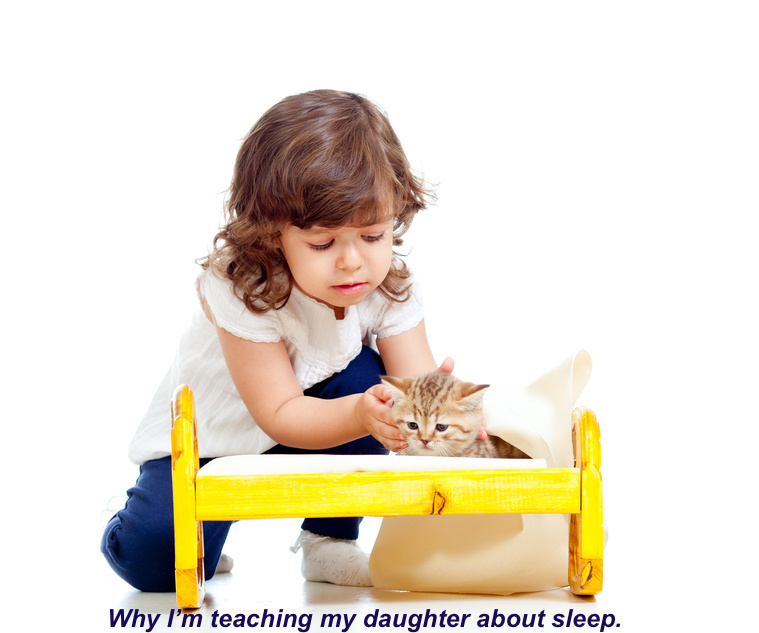
Why I’m teaching my daughter about sleep

Being a child sleep consultant there is a lot of talk at the dinner table around what I do, so you would be right to think that my daughter Emily is and has always been, a perfect sleeper. Well that just isn’t the case.

In fact I still have this image burnt in my brain of Emily (3 at the time) standing in the bathroom half undressed, tantrum in full swing, and me on my bed crying having a time out. I hated the lead up to bedtime, and so did she. Every night the battle was on. We were both left with wounds even though the end result was her finally falling asleep. No one walked away a winner.

It was getting so horrendous that after dinner, I would pounce on her kicking and screaming (that was both of us!!) whilst trying to navigate the stairs to the bathroom to rip the clothes off her tiny body. Boy she was strong. I would talk to Emily through gritted teeth and basically threaten her that I would send her to bed without a story or a kiss or even pyjamas. She would need to sleep naked! Bedtime was a punishment for both of us.

Hindsight and knowledge are wonderful things because once we finally passed that phase (not quite sure how I did it to be honest as there was a lot of wine consumed during that period) I realised that I needed to teach my daughter about sleep. Sleep should not be a punishment but a lovely reward after a busy day. I looked at sleep that way so why couldn’t she?

How to teach your child about sleep

#1 Tired signs

If your child is getting ratty, being naughty or is having a tantrum AND it is close to a sleep time, tell him “your body is telling me that you are getting tired. I get frustrated/angry/upset/etc when I am tired too.” No child likes to hear, “you are tired.” By commenting on what his body is telling him, takes it away from being a personal attack. It is not his fault he is behaving that way – he’s tired. By telling him that you feel like that too helps him understand that it is normal. This also enables him to begin to recognise the signs of being tired. I love it when Emily says to me “I am tired mummy, I think I need to go to bed.”

#2 No surprises

The element of surprise will only backfire at bedtime. Imagine you are watching your favourite show and your partner switches off the TV and sends you to bed. You would be mighty angry! Children need to be warned that playtime is at an end and bedtime is approaching. Set a timer for 5minutes and once it’s time, playtime is done.

Stick to the same bedtime routine each and every night. A bedtime routine’s job is to send a message to our body that is it time for sleep. If there is no consistent routine, then your child is missing out on that vital sleep cue.

#3 Communication

Talk through the bedtime routine. Some children need step-by-step guidance. These can be one word prompts like “toilet, clothes off, bath, teeth, pyjamas, etc.” There is a lot of research out there stating boys process information differently to girls. If you overload your son with long, wordy instructions, you are likely to hit resistance. Less talk more action applies here. You can download a visual bedtime chart here or make your own.

Explain to your child (not when they are having a meltdown!) why sleep is so important. Make it simple and explain it in a way that is age appropriate.

Sleep is Awesome because…

  • Sleep makes our hearts happy.
  • Sleeps helps us to grow.
  • Sleep helps our body to fight germs.
  • Sleep helps us to balance and not fall over.
  • Sleep gives our brain power to think.
  • Sleep gives us energy to play and have fun.

#4 Punishment

As soon as you make bedtime a punishment, you are always going to be faced with a battle. Sending a child to bed after explaining they are showing their “tired signs” is one thing, but sending them to bed for hurting their sister is the wrong message you want to be giving. If you do need to offer a “timeout” I would recommend using a different room in the house.

So, in a nutshell…

  • Change your mindset around sleep.
  • Teach your child about tired signs.
  • Teach your child about the benefits of sleep.
  • Follow a consistent bedtime routine. (Download chart)
  • Contact me here for a professional, holistic approach to change bedtime battles at your house.
Janelle Jeffery Child Sleep Consultant for Sleepytime
Janelle Jeffery
Child Sleep Consultant for Sleepytime

 

What to do when sickness strikes

A sick baby affects the whole family.
A sick baby affects the whole family


There have been some nasty bugs going around lately. Whether it is a cold, the flu, ear infection, gastro or anything else you can think of, when your little one is unwell, it can be difficult for the whole family. It can certainly be a shock to the system too if your baby, toddler or child WAS sleeping through the night and now they are frequently waking.

When ill, we all need as much rest as we can so our body can fight the infection.

Below are some tips to help you through the tough times.

  • Offer comfort. When your baby cries, go to them, they need you. Give them a kiss and a cuddle and give lots of reassurance.
  • Offer water. Keeping fluids up and remaining hydrated is important. Offering extra milk feeds at night should only be given if recommended by a physician. Feeding your baby back to sleep will make things harder once they are feeling better. Milk is not necessary.
  • Limit rocking and patting to sleep. If your baby isn’t used to you settling them this way, they may become more upset and confused. If you find this is the only way you can comfort your baby, then as soon as they are on the mend, stop.
  • Try not to bring your baby into bed with you – I find this one hard! A better option is to make a ‘make-shift’ bed in your baby’s room. They need their space to feel better.
  • Purchase a reliable thermometer so you can track their temperature.
  • Record the time when medication is administered. It can be hard to keep track in the middle of the night.
  • Use a “Vick’s Vapourizer” or “Medescan Rainbow Mist Humidifier”. Both work a little differently but they both can help with a snuffly nose or tickly chest. They are well worth the money.
  • When your baby rests, so do you. The last thing you need is for you to fall sick yourself so rest and re-cooperate whenever possible.

Health Direct Australia – 1800 002 222

If it isn’t an emergency, but you are wanting medical advice, calling Health Direct Australia is great because at first you will speak directly with a nurse and if she/he cannot advise you, you will be transferred to speak with a doctor.

After Hours GP

Chances are your baby will be ill over night when seeking medical treatment is limited. There are many after hour GP services that will come to your home during the night. Only drawback is that there is often a long wait time, but at least you are at home. Ask your local GP who they recommend so patient notes can be transferred.

Emergency

If it is an emergency, knowing where your child hospital is located, is crucial or phone 000.

Stay well and sleep tight!

Janelle Jeffery Child Sleep Consultant for Sleepytime
Janelle Jeffery
Child Sleep Consultant for Sleepytime


Contact me via email janelle@sleepytime.net.au or complete the online form to book in a time to chat about your little one’s sleep issues.


How to Avoid Summer Sleep Trouble

Summer used to be my favourite time of year. Late nights, barbecues with friends, lazy mornings. Since becoming a mother, my ideal summer has changed somewhat. Now I have the challenge of a child struggling with sleep. Here are my best 3 tips to help you survive the summer months and promote the best opportunity for sleep for your entire family.

Sleeping in the summer months can be tricky for everyone.

1. Darkness

Our bodies need darkness to produce melatonin. Melatonin is what makes us sleepy. During the summer months, it can still be light outside making it more difficult for your child to fall asleep. Try your best to use thick, block-out or blackout curtains in your child’s bedroom. This is also really important in the morning when the level of melatonin in our bodies is at it’s lowest. The smallest amount of sunlight can wake your child ready to start the day!

2. Temperature

If our bodies are too hot, we find it difficult to sleep. If your child has been running around, offer a lukewarm bath or shower to help drop their body temperature a little. Provide quiet, calm activities before bed.

If you live in a hot house like me, dress your little one in very light layers when they first go to bed. Later in the evening, you may want to add another layer over the top, because as the temperature drops in the early hours, you do not want your child to wake feeling cold. It can be really tricky getting the right balance so sometimes it is a bit of trial and error. For safe wrapping, visit here.

3. Avoid Over-Scheduling

This is a busy time for many families. With so many social events filling up our diaries, it can be hard to say ‘no’. I say everything needs to be in balance. If your child has had a late night or a day of missed naps, then the next day, try to stay closer to home and offer the best opportunity to catch up on lost sleep.

Our children’s bodies do need a certain amount of sleep each day. If that is reduced, then they carry a “sleep debt”. If that sleep debt if not addressed quickly, it will impact on your child’s sleep permanently. A child not sleeping is one tired and cranky household!!

The overall message here is be consistent with bedtime as much as possible. If there has been any missed sleep, make sure your child has a chance to catch up. Make sure your child’s environment is perfect to promote the best quality sleep possible.

Book in a time to chat with me here.


Sleep well!

Janelle Jeffery Child Sleep Consultant for Sleepytime
Janelle Jeffery
Child Sleep Consultant for Sleepytime
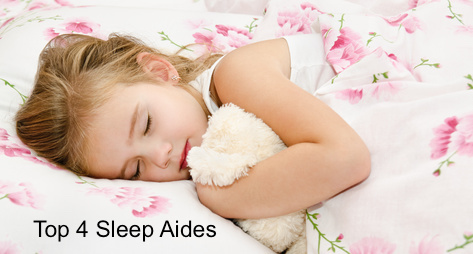
 

Top 4 Sleep Aides for Children

In my previous blog post, I wrote about 3 types of sleep gadgets to avoid that could actually prevent your child from sleeping soundly. If you didn’t read it, follow the link here.

Sleep aides can help promote sleep.

In this blog post I will share my top 4 sleep aides that can encourage your child to sleep a little better. With anything, I do like to keep things simple and I only introduce something if it is needed. Less is more when it comes to sleep.

1) Blackout blinds. A blackout blind or really thick curtains is a “must” in any child’s room. Darkness is needed for your body to produce melatonin. Melatonin is what makes you sleepy. With the summer months upon us, having a dark space to fall asleep at night BUT most importantly for morning, can help your child to sleep longer. Even the smallest peep of light in the wee hours can wake your child ready to start the day. Blinds can help with early risers.

2) Sleeping bags. I am a huge fan of sleeping bags for nights and naps, and they can be used from 3months of age right up to 3years. There are so many options available on the market allowing you to choose the perfect ‘tog’ (cloth weight) for your home environment. Every home will have a different room temperature so be guided by this. Sleeping bags help children to stay warm (not hot or cold) and snuggly though out the night. Sleeping bags are also recommended by SIDS and Kids. An added bonus is that sleeping bags can at times prevent children from climbing out of the cot.

3) A Sleeping Buddy. A small, soft, cuddly toy can help babies and children to wind down and fall to sleep. A sleeping buddy can help to resettle during the night or to extend a short nap. Children are tactile and need to feel, touch, smell and taste. Having a sleeping buddy can provide all of these. Many children do not bond with one because their sleeping buddy is a parent. Some children just do not want anything to sleep with and that is ok. Some children may not have a sleeping buddy until 3years or older. A sleeping buddy can help older children when they are feeling scared in the night. Introducing a soft toy into a cot or bed needs to be at the discretion of the parent as it can increase the risk of SIDS.

4) A Sleep Clock. If used consistently, a sleep clock can help children know when they need to stay in bed and when it is time to get out of bed in the morning. Children are governed by their internal clock and do not know when it is time to get up or not. A child doesn’t know the difference between 5am and 7am. A sleep clock is a visual clue and can take some pressure off you as it’s the sleep clock that says “stay in bed” and not you being the bad guy. A sleep clock will only work if you stick with the time. If you allow your child to get up even 5mins before the clock says it’s time to get up, you are opening the opportunity for an earlier and earlier start.

With any sort of sleep aide, they are only there to enhance the opportunity for sleep. Sleep aides may not make your child sleep longer and they cannot stop your child from waking up through the night. Sleep is a complex issue. If you would like more advice, then book in a time to chat here.

**If you wish to support an Australia online baby store visit Dream Child Emporium to purchase your sleep products.

Sleep well.

Janelle Jeffery Child Sleep Consultant for Sleepytime Child Educator and Behaviour Specialist.
Janelle Jeffery
Child Sleep Consultant for Sleepytime.