Tag Archives: child behaviour

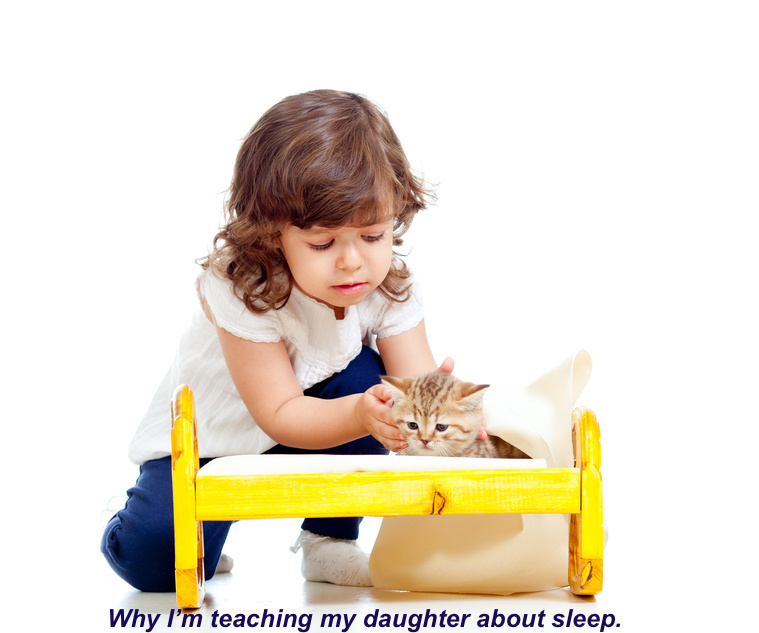
Why I’m teaching my daughter about sleep

Being a child sleep consultant there is a lot of talk at the dinner table around what I do, so you would be right to think that my daughter Emily is and has always been, a perfect sleeper. Well that just isn’t the case.

In fact I still have this image burnt in my brain of Emily (3 at the time) standing in the bathroom half undressed, tantrum in full swing, and me on my bed crying having a time out. I hated the lead up to bedtime, and so did she. Every night the battle was on. We were both left with wounds even though the end result was her finally falling asleep. No one walked away a winner.

It was getting so horrendous that after dinner, I would pounce on her kicking and screaming (that was both of us!!) whilst trying to navigate the stairs to the bathroom to rip the clothes off her tiny body. Boy she was strong. I would talk to Emily through gritted teeth and basically threaten her that I would send her to bed without a story or a kiss or even pyjamas. She would need to sleep naked! Bedtime was a punishment for both of us.

Hindsight and knowledge are wonderful things because once we finally passed that phase (not quite sure how I did it to be honest as there was a lot of wine consumed during that period) I realised that I needed to teach my daughter about sleep. Sleep should not be a punishment but a lovely reward after a busy day. I looked at sleep that way so why couldn’t she?

How to teach your child about sleep

#1 Tired signs

If your child is getting ratty, being naughty or is having a tantrum AND it is close to a sleep time, tell him “your body is telling me that you are getting tired. I get frustrated/angry/upset/etc when I am tired too.” No child likes to hear, “you are tired.” By commenting on what his body is telling him, takes it away from being a personal attack. It is not his fault he is behaving that way – he’s tired. By telling him that you feel like that too helps him understand that it is normal. This also enables him to begin to recognise the signs of being tired. I love it when Emily says to me “I am tired mummy, I think I need to go to bed.”

#2 No surprises

The element of surprise will only backfire at bedtime. Imagine you are watching your favourite show and your partner switches off the TV and sends you to bed. You would be mighty angry! Children need to be warned that playtime is at an end and bedtime is approaching. Set a timer for 5minutes and once it’s time, playtime is done.

Stick to the same bedtime routine each and every night. A bedtime routine’s job is to send a message to our body that is it time for sleep. If there is no consistent routine, then your child is missing out on that vital sleep cue.

#3 Communication

Talk through the bedtime routine. Some children need step-by-step guidance. These can be one word prompts like “toilet, clothes off, bath, teeth, pyjamas, etc.” There is a lot of research out there stating boys process information differently to girls. If you overload your son with long, wordy instructions, you are likely to hit resistance. Less talk more action applies here. You can download a visual bedtime chart here or make your own.

Explain to your child (not when they are having a meltdown!) why sleep is so important. Make it simple and explain it in a way that is age appropriate.

Sleep is Awesome because…

  • Sleep makes our hearts happy.
  • Sleeps helps us to grow.
  • Sleep helps our body to fight germs.
  • Sleep helps us to balance and not fall over.
  • Sleep gives our brain power to think.
  • Sleep gives us energy to play and have fun.

#4 Punishment

As soon as you make bedtime a punishment, you are always going to be faced with a battle. Sending a child to bed after explaining they are showing their “tired signs” is one thing, but sending them to bed for hurting their sister is the wrong message you want to be giving. If you do need to offer a “timeout” I would recommend using a different room in the house.

So, in a nutshell…

  • Change your mindset around sleep.
  • Teach your child about tired signs.
  • Teach your child about the benefits of sleep.
  • Follow a consistent bedtime routine. (Download chart)
  • Contact me here for a professional, holistic approach to change bedtime battles at your house.

Janelle Jeffery Child Sleep Consultant for Sleepytime
Janelle Jeffery
Child Sleep Consultant for Sleepytime

 

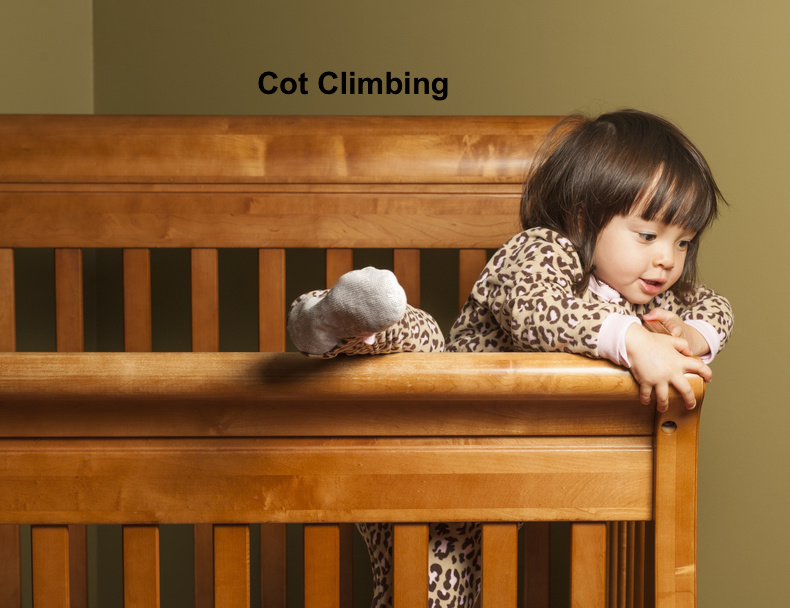
Toddlers who climb out of their cot

Cot or crib climbing can be scary for parents.

The first time your toddler climbs out of their cot can be really terrifying. Safety is paramount and it should never be ignored. Before you rush into buying a bed, there are a few things you can try first.

I am not a huge advocate for transferring toddlers immediately to a bed because many children under the age of 2.5years are not ready to understand the rules of being in a bed. There is always a honeymoon period whereby toddlers stay in bed, but before long your toddler has free roam of the house and that can be a bigger safety issue than climbing out of their cot.

If your toddler climbs out of their cot or attempts to climb out, here are a few tips and tricks to try:

1)    Find a sleeping bag that has limited legroom. This restricts access to your child being able to lift their leg and climb out.

2)    Lower the mattress. Some cots have a variety of height levels for the mattress. Make sure it is at the lowest level making it higher and harder to climb out.

3)    Remove any pillows, blankets or toys that can be used as leverage to get out. This may also include a dresser or drawers that butt up to the cot.

4)    Some cots are designed to have one side that is higher than the other. This side is usually pushed up against the wall. If you have this style of cot, turn it around so the outer side is higher making it more difficult to climb.


So you have tried all these things and your toddler is still climbing. This is what to try next:

1)    If you have a video monitor, every time your toddler attempts to climb out, either say “no” over the monitor or go into the room and say “no”. You may need to do this over and over again. Do not get into a long conversation about why they need to stay there. Simply “no” or “no climbing” and that is it.

2)    If you do not have a video monitor, keep the door ajar so you can still see your toddler. Every time they attempt to climb out, go into the room and say “no”. Again you may need to do this over and over again.

3)    If you are worried that your toddler may climb out once you are asleep, then make sure they have a safe landing. Many climbers can actually do it very safely. I recommend placing a mattress on the floor so they are not hurt if they do make it out of the cot.


If your toddler does manage to “escape” always walk them back, place them back into the cot and say, “no climbing”. Again you may need to repeat this over and over again. You need to be patient, calm and persevere.


It can be tempting to pack away the cot and buy a bed, but trust me, I have worked with many parents who find themselves with a toddler always hopping out of bed and either crawling into their bed or turning on the television at some crazy hour of the night. It can be even more dangerous if you have stairs or outside doors that can open easily. It is much harder to keep a toddler contained once they are in a bed.

If you have tried all these tips and tricks and you are still finding your toddler is climbing out, contact me here.

Janelle Jeffery Child Sleep Consultant for Sleepytime and Child Behaviour Specialist.

Janelle Jeffery
Child Sleep Consultant.


Does your child have difficulty separating from you?

Some children find separation very difficult.
Some children find separating from parents very difficult.

Do you have a child (2.5years and over) who is having a difficult time separating from you? There can be many different reasons why your child is feeling this way such as:

  • Change in living arrangements – a new bedroom, a new house or parent’s separating
  • Death of a loved one
  • Distance from parents due to the birth of a sibling
  • Separation due to parent/s work commitments especially fly-in-fly-out or interstate/overseas travel
  • Starting at a new day-care, kindergarten, or school
  • Is a sensitive soul or may just be a little more anxious than usual

Even if the reason your child having difficulty separating from you is not listed above, all children young and old need to know that their loved ones are close by. Many children will go through periods of being extra clingy. My daughter who is 5 is finding it really difficult leaving me in the morning at school. She has never been this way before. She attended day-care since she was 8months, and last year at kindergarten, it wasn’t really a problem. Now it is.

For some children separating from parents during the day is fine but when it comes to bedtime, they want you to start sleeping with them and for you not to leave them there alone. This is all normal and typical child behaviour but what I advocate is to try to reduce the stress and anxiety your child feels and for you to explain what is happening using ‘child-friendly’ language.

Though it is important to recognise what is happening with your child and attend to their needs so they feel loved and safe, it is crucial parents do not make the situation worse by making it bigger than it needs to be. Children are sensitive and they can pick up on our own feelings as much as we think we are good at hiding them. If we are tense and worried when it is time to say ‘goodbye’ then our children will sense that too.

If your child has trouble separating at night it is helpful to have a very special cuddly sleepy toy. Care-Bears are “old school” but excellent sleeping companions for older children. When you leave your child at night, come back and check in on them as they are falling asleep. Start with a 2minute check, then a 5minute check, then a 10minute check. By the time you do the final check, they should be asleep.

Care Bears are great companions for children.

Through my many years of teaching children, I find reading picture books a fantastic way to chat to them about what is happening in their world. The best book I have read and completely recommend is, “The Invisible String” written by Patrice Karst. This beautiful book is about helping adults and children understand that we are all connected and we are never truly alone. The aim of this book is to help alleviate your child’s fears from being apart from you and for your child to know they are truly loved no matter where in the world you are.

The Invisible String by Patrice Karst

Another way to help with separation is through distraction. If you are dropping your child off somewhere, it is best to get the ‘goodbyes’ over with pretty quickly. When their teacher or caregiver etc receives your child, they are best to distract your little one by getting them engaged with something fun immediately. This is the best time for you to go. If you hover around, the separation will become worse. Typically most children settle really quickly once you are gone. Know that if there is any further distress, the caregiver will call and let you know. It is important you have a great relationship with all the people in your child’s world.

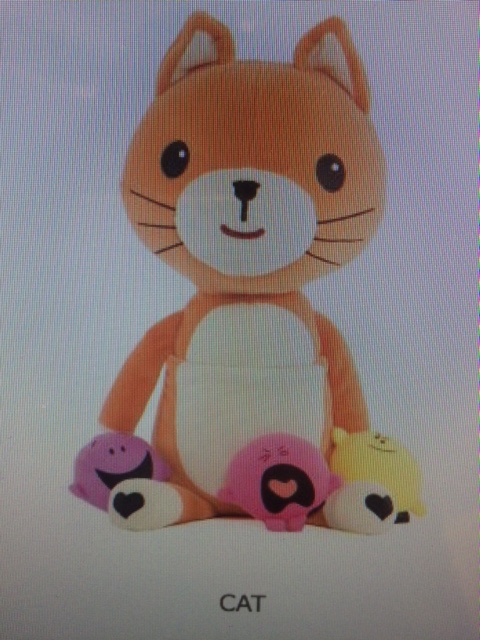
Allowing your child the opportunity to express how they are feeling is a great way to not only connect with you, but to connect to their own thoughts and feelings. Often the route cause of tantrums is due to feelings they need to express. I have found “Kimochis” toys are a wonderful way to assist children with this. These soft toys come with “feelings characters” and help children identify what they are feeling at the time. Another way is to make a “feelings” chart with ‘feeling faces’ as this can be a reference point for your child.

Kimochis are toys that help children express their feelings.

If you have a child that is having difficulty separating from you, first of all, do not feel alone in this. All children go through this at some stage. If you can identify why they are feeling this way, then try to reduce their worry by implementing the suggestions in this post.

If you find night-time separation a real battle, then book in a chat together here.

Sleep well,

Janelle

Toilet Training and Sleep

It is such a momentous time in your child’s life when they become free of nappies and are learning to toilet train. Unfortunately this huge change in your child’s life can really affect sleep.

Toilet training can really affect your child's sleep.
Toilet training can really affect your child’s sleep.

1. Increased night wake ups

Just like any other developmental milestone, the brain is very active at night making sense of all the new information it has learnt. A very active mind can cause your child to wake up more frequently. If your child could sleep independently before toilet training began, then they can during and after – as long as you are consistent with your approach. You may need to attend to your child more frequently during the night, but once you know they are fine, then leave them to fall asleep on their own without your help.

2. Toilet requests at bedtime

Always include a trip to the toilet before a nap and before bedtime in your standard sleep time routine. For a while your child may call out and request a visit to the toilet. This can be difficult for parents as it can feel like a stalling technique. I am sure your child will eventually realise it can be used as one so your judgement here is crucial. If you have had 3 visits to the toilet with no success, then ignore any other requests past that point. You may have a few accidents in bed, but that is part of the joy of toilet training.

3. Requests during the night

So your child is now waking up during the night to go to the toilet. This again is part of the process of learning those toileting cues. Yes you may have a few months of getting up during the night, but again, once your child has been to the toilet, leave them alone to fall asleep independently.

4. Milk at bedtime

If you are still including a bottle or cup of milk during the bedtime routine, I urge you to cut this out of the routine once toilet training has commenced. This will reduce the midnight visits to the toilet.

A child learning how to use the toilet can be a fast or slow process. Not all children are the same so the more relaxed and chilled out you are about it, the better it will be all round. Yes your child’s sleep will be disturbed for a while, but if you are consistent with your approach and you continue to encourage independent sleeping habits, the easier it will be for everyone.

autherimg


Janelle Jeffery

Child Sleep Consultant for Sleepyime

No Gender December – Has the world gone mad?

Ok, I heard about this ‘no gender December’ quite a few weeks ago and it really made my blood boil, then I calmed down. As I was putting the finishing touches on Christmas wrapping for my daughter, my mind started to tick over again so I decided to put pen to paper (or fingers to keys!)

Greens Senator Larissa Waters has a major issue with gender targeted toys saying, “While the starkly separate aisles of pink and blue might seems harmless,” Senator Waters said, “setting such strong gender stereotypes at early ages can have long-term impacts, including [on] self-perception and career aspirations.” Senator Waters said that “outdated stereotypes” about girls and boys perpetuate gender inequality, “which feeds into very serious problems such as domestic violence and the gender pay gap”.

Has the world officially gone mad? Let me set the scene for you at my house. I have read and read about the importance of not pigeon holing our children into gender specific play, so as soon as my daughter was born I bought toys of neutral colour and at times she quite frankly looked like a boy due to my husband’s fashion choice. I remember even buying a teething ring that was clear as I thought buying a pink one was evil.

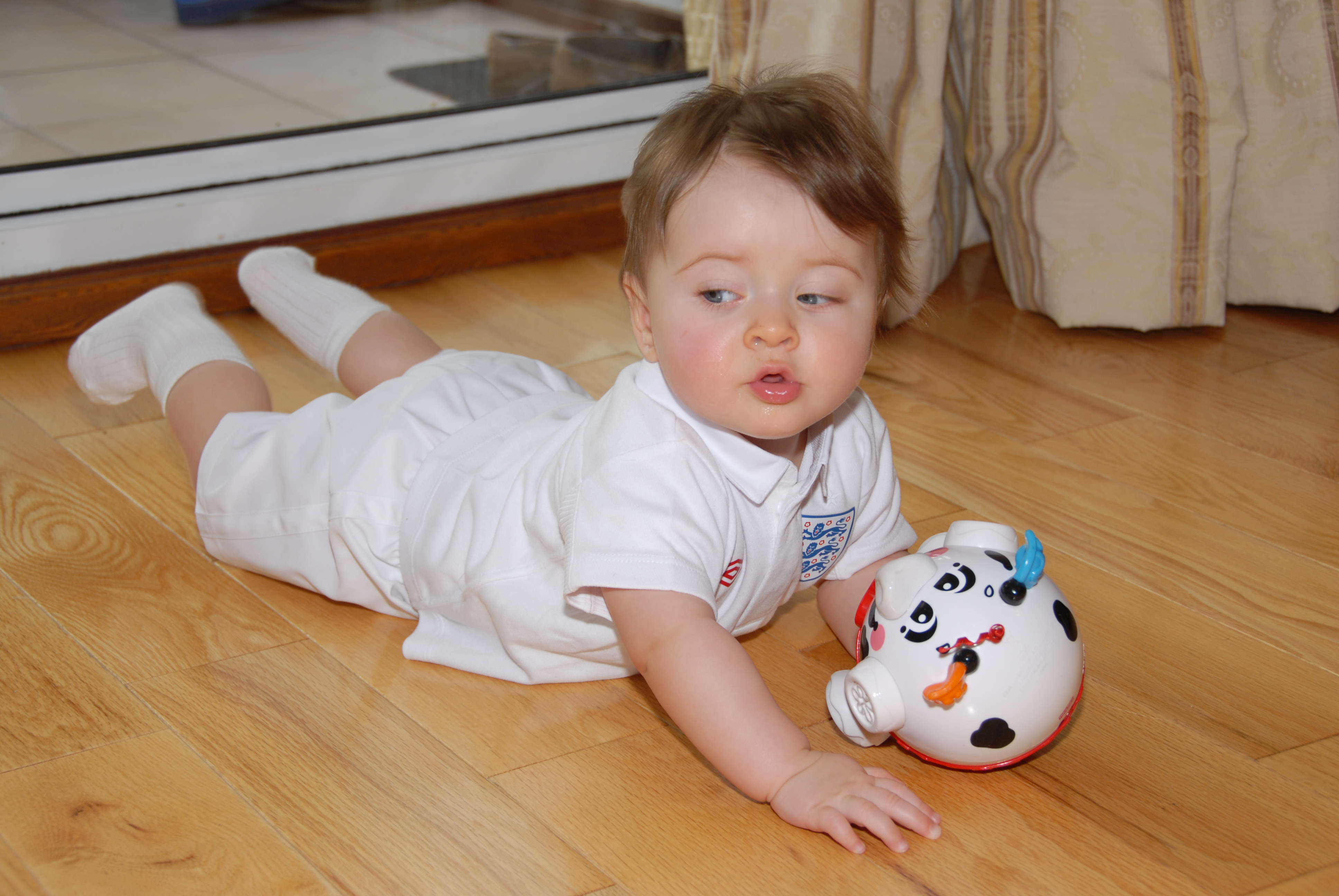
Miss E dressed in a full English Football kit playing with a non-gender specific toy.

Over the years my daughter was given Thomas trains, Lego, cars, dinosaurs, a pirate water play table, a marble run, balls of every description and guess what she plays with? – Barbie. She also loves her dollies pretending they are her sisters. This week one is called Allegra. She loves craft and pretending she is Elsa from Frozen.

Movies. Her first ever movie in the cinema was “Planes”. She wasn’t that thrilled. We have Yogi Bear, Babe, Rio and many other non-gender specific DVDs to choose from yet her favourite (apart from Frozen) is “The Little Mermaid”.

Clothes. My daughter refuses to wear anything other than a dress. This winter a mountain of warm, fluffy tracksuits went unworn. Whenever my daughter was forced, yes forced to wear one there were tears and tantrums. I tried to clothe her in shorts at school because dresses were supposed to restrict outside play – well good luck explaining that to her. She would and continues to play outside, climb and run, all achieved in a dress. She rarely leaves the house without a tiara on.

The final straw or pure acceptance from me was her bedroom. For many years I made it perfectly clear “she is not having a pink bedroom. No way!” well guess what? It is now wall-to-wall pink.

Adults are really crap at looking through the eyes of a child. We over complicate matters, put pressure on ourselves to be fair and perfect. We look at the worst-case scenario and fight our point of view to the bitter end.

Children are children. It is natural for girls to like pink and boys blue. Mind you my daughter likes blue more now seeing it is the colour of Elsa’s dress! My daughter tries to breast-feed her dolls, swaddles them and nurtures them. Why try and stop her playing with things she enjoys and force her to be something she doesn’t want to be? Don’t get me wrong, we still provide many opportunities for her to play with other things. In fact my husband has great joy teaching her how to use the drill, create things out of wood and build rocket launchers. It’s all just done with a ‘girly twist’.

Come on everyone, lighten up a bit. Give our kids the freedom to choose what interests them and give us, and them, enough credit that they will grow up to be balanced, intelligent individuals that will make the right decisions when they are adults. Senator Waters, do whatever you want to do at your house because I am off to play Barbies with my daughter. Now where did I put that tiara?

autherimg


Janelle Jeffery

Child Sleep Consultant for sleepy time.


Excerpt from Essential Kids here.